

Before any kit arrives, confirm what your building, landlord, or association allows and how much weight the surface can safely support. Ask about railing attachments, water drainage, and visible changes. Many modular kits are designed to be reversible, non-invasive, and lightweight. Keep receipts and manuals to show compliance. This early clarity protects your deposit, avoids friction with management, and lets you select components that fit perfectly within limitations. Think of rules as the frame that helps your creativity shine safely and confidently.
Irregular corners and tight clearances will test your patience unless you measure meticulously. Note heights at thresholds, the swing of doors, and the location of outlets and faucets. Modular balcony and patio kits thrive on accurate measurements because tiles, planters, and benches can be arranged in countless combinations. Leave a bit of buffer so pieces can shift for cleaning or weather. By building flexibility into your plan, you create a forgiving setup that adapts to seasons and changing routines without tearing everything apart.
Every urban balcony holds a unique microclimate. Track sun paths through the day and notice reflected heat from nearby walls. Feel wind tunnels between tall buildings and watch where rain pools after storms. These small observations guide the placement of custom planters, shade-loving plants, and wind-tolerant varieties. A friend solved wilting lettuce by moving planters behind a glass panel and switching to heat-loving rosemary. Align your layout with reality, not wishes, and your garden will thank you with reliable, resilient growth.

Choose tiles with durable bases that allow airflow and drainage, preventing trapped moisture on concrete or waterproof membranes. Wood, composite, and recycled rubber each offer distinct feel and maintenance needs. Dry-lay a few to test door clearance and step stability. The best tiles click together with a reassuring snap and separate easily for cleaning. When seasons change, you can lift a section to access drains or rearrange the layout. Comfortable footing encourages you to step outside more often, extending daily living space.
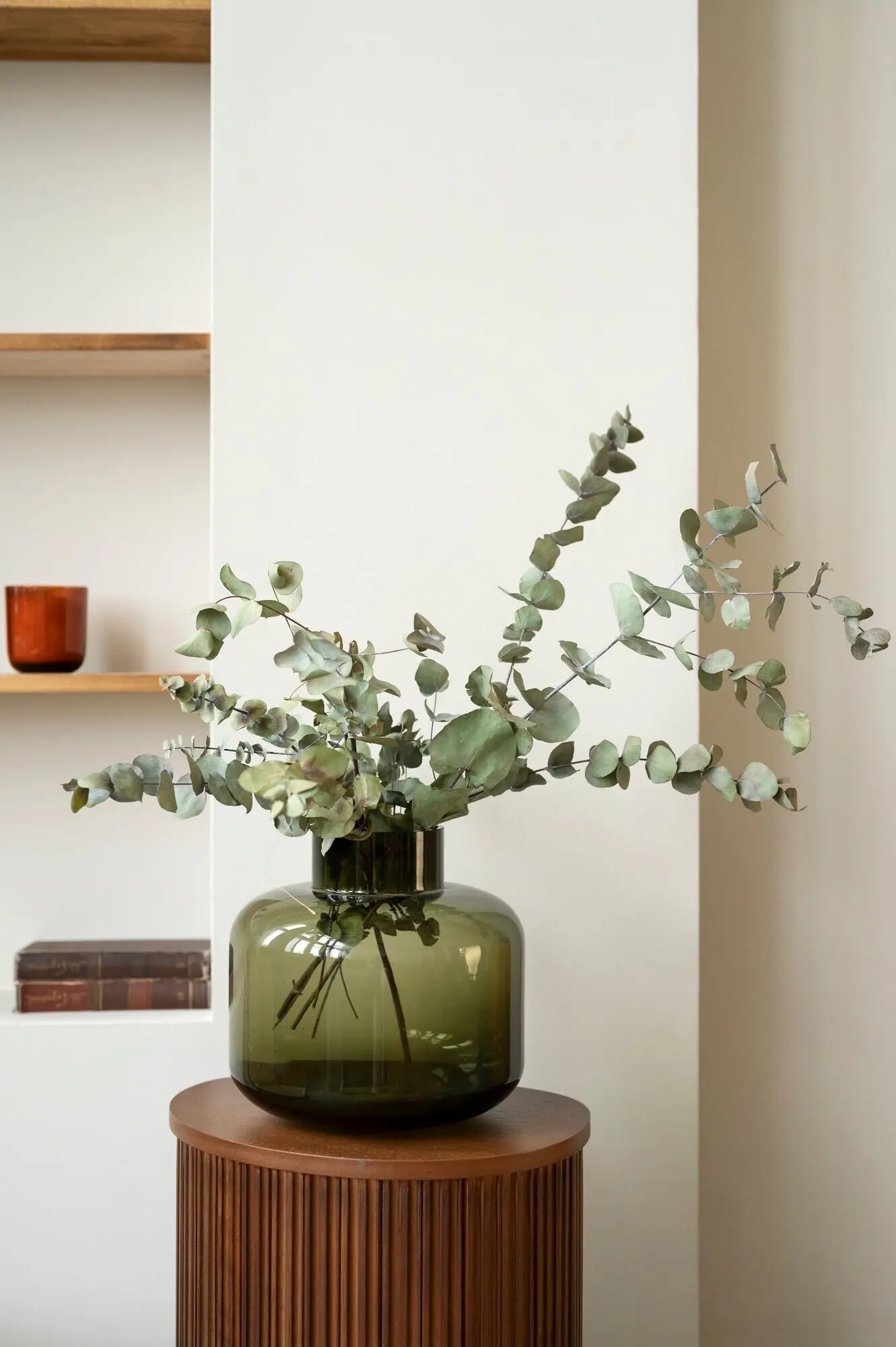
Rail-mounted planters bring color and harvests into view without using precious floor area. Look for secure brackets matched to your railing profile and width. Adjustable systems accommodate round, square, or glass rails, while liners protect plants and simplify replanting. Choose self-watering inserts to extend time between waterings during summer heat. Consider weight distribution and keep heavier planters closer to structural posts. Rail planters can define a boundary, soften noise, and create privacy with cascading foliage, all while remaining removable when you move.

Vertical frames unlock height, transforming a single railing into a miniature green wall. Trellises support climbers like beans or jasmine, while modular shelves hold herbs and compact edibles. Look for lightweight aluminum or powder-coated steel that resists rust, and confirm attachment methods are permitted. Strategic height placement protects views while buffering wind. A pair of narrow frames can flank seating, creating a living backdrop for morning coffee. When combined with drip trays and liners, vertical systems stay tidy and neighbor-friendly, even on breezy days.
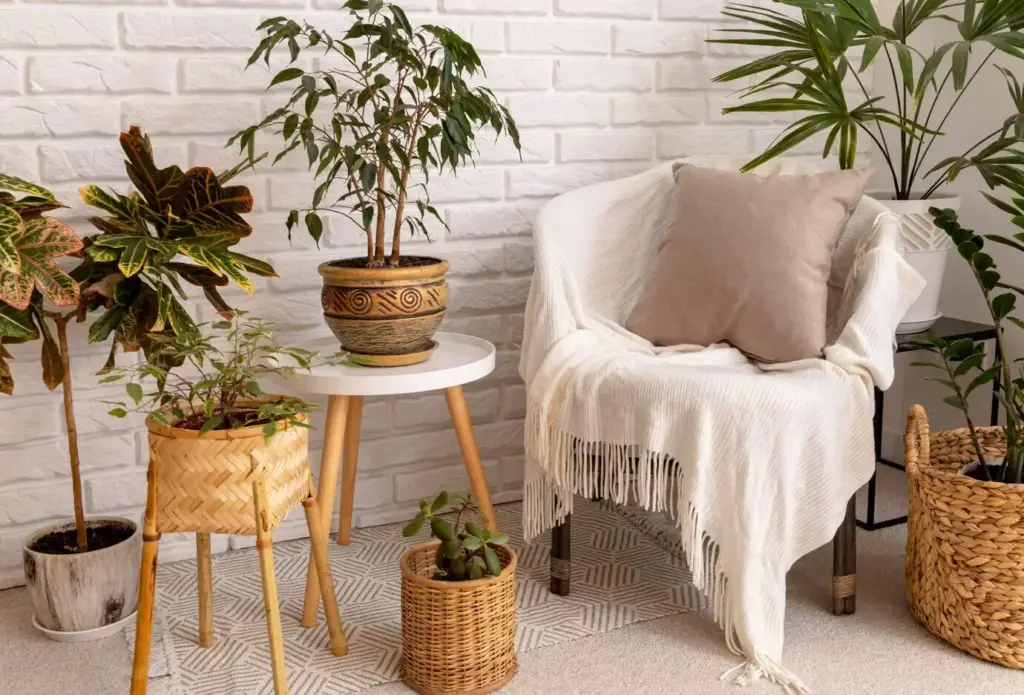
Unify flooring, planters, and textiles with two or three complementary tones. Cool grays and eucalyptus greens create calm, while terracotta and warm wood invite conversation. Repeat accent colors across cushions, pots, and watering cans for cohesion. Use foliage as color: chartreuse coleus, silver artemisia, and deep burgundy basil enliven tight spaces without extra objects. Reflective metal details bounce scarce light. A considered palette makes even modest balconies feel intentional, restful, and larger than their measurements suggest, encouraging daily use throughout changing seasons and moods.
Create gentle separation without building walls. Clustering tall planters with bamboo, switchgrass, or espaliered citrus frames views while letting breezes through. Slatted screens diffuse sightlines yet keep light lively. Modular partitions attach non-invasively, respecting building guidelines. As plants mature, they muffle sound and draw the eye inward, turning a once-exposed ledge into a cozy retreat. Adjust spacing seasonally: denser in summer, more open in winter. Privacy that breathes preserves connection to sky and neighborhood while granting the comfort of personal, protected space.
Lay everything out where you can see it. Confirm quantities against the packing list, and separate delicate finishes from sharp tools. Stage tiles near the installation area, and pre-adjust rail brackets to approximate width. This simple order prevents mid-assembly frustration. Keep a microfiber cloth handy to protect surfaces and wipe fingerprints. When daylight fades, use a headlamp to keep both hands free. Thoughtful staging keeps momentum high and mistakes low, making the transformation feel smooth, enjoyable, and refreshingly achievable even in tight quarters.
Begin at the straightest edge and click tiles toward corners, checking for wobble. Use shims or rubber underlay where concrete dips. Place furniture feet pads before setting benches to shield membranes or coatings. For rail planters, tighten brackets evenly and tug-test for security. Consider felt or silicone buffers wherever metal meets glass. The goal is a tidy, reversible installation that respects your building and withstands daily use. When every touchpoint is protected, you gain confidence to relax, host friends, and water without worry.
Hydrate plants before transplanting, then loosen circling roots gently. Nestle starts at the same depth, backfill with airy mix, and water until excess flows through. Top with mulch to stabilize moisture and soil temperature. Arrange herbs near the door for effortless snipping, and place sun-lovers where light lingers. Snap a photo of your first harvest goal—two tomatoes, five basil sprigs—as a friendly promise. Invite a neighbor to share tea outside. Small rituals reinforce your new habit of stepping out and enjoying the fresh air.
Set a simple routine: water in the morning, deadhead spent blooms, and pinch herbs to encourage branching. Check moisture by finger, not just by schedule, and lift planters occasionally to gauge weight changes. Inspect brackets, tighten screws, and brush debris from drainage channels. These tiny habits prevent big problems. When something struggles, move it, shade it, or prune it. Reward yourself with a quiet minute outdoors. Regular attention builds a rhythm that feeds both your garden and your sense of calm.
Urban weather can change fast. Before storms, cluster planters low, secure light objects, and ensure overflow spouts are clear. During heat, water deeply in the morning and add temporary shade. In cold snaps, group containers together for shared warmth, and wrap tender plants with breathable fabric. Keep a simple emergency kit: zip ties, extra liners, and a small tarp. After weather passes, inspect, tidy, and celebrate any survivors with a little compost. Resilience grows with each season, making your setup tougher and wiser.
Blend practical harvests with beauty and habitat. Plant basil, chives, and dwarf peppers beside marigolds, alyssum, and native blooms that attract bees and hoverflies. Choose successive varieties to keep nectar available across months. Avoid harsh pesticides; rely on handpicking, beneficial insects, and healthy soil. A compact watering schedule and open blossoms turn your ledge into a miniature ecosystem. The payoff is flavor and motion: salads cut minutes before dinner, petals glowing at dusk, and tiny wings tracing bright loops through your evening air.
All Rights Reserved.